


Pocket pets and reptiles are often seen as low-maintenance, but in reality, they require very unique care requirements that can be easy to overlook without the right guidance.
Whether you’re new to these pets or have years of experience, even small adjustments can make a big difference in their long-term health.
Our team has experience caring for a wide range of pocket pets and reptiles, and we’re here to help you fine-tune their care at every stage. Let’s break down some of the most important (and often overlooked) aspects of their care.
Pocket Pets: More Than Just Easy Starter Pets
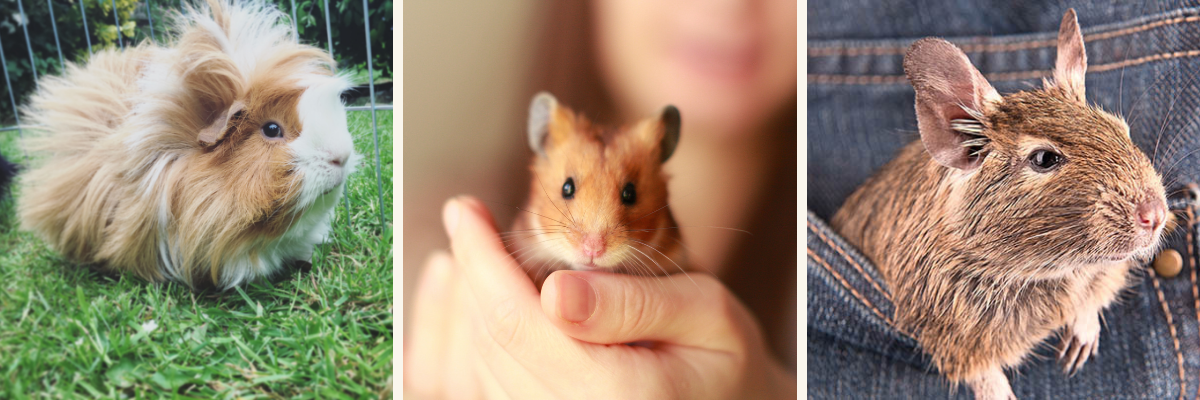
Pocket pets like guinea pigs, hamsters, rats, and ferrets have specialized needs that go beyond food and a cage.
1. Their teeth never stop growing
Animals like guinea pigs and rodents have continuously growing teeth. Without the right diet (especially hay and fiber), they can develop painful dental issues.
2. Getting the diet just right can be more nuanced than many owners expect
While store-bought diets are a great starting point, many pets benefit from additional nutritional support
For example:
- Guinea pigs need daily vitamin C
- Too many treats can lead to obesity and digestive issues
- Lack of fiber can cause serious gut problems
3. They hide illness extremely well
By the time a pocket pet shows visible symptoms, they may already be quite sick.
Subtle signs to watch for:
- Eating less
- Changes in droppings
- Low energy
- Weight loss
Reptiles: Health Starts With Their Environment
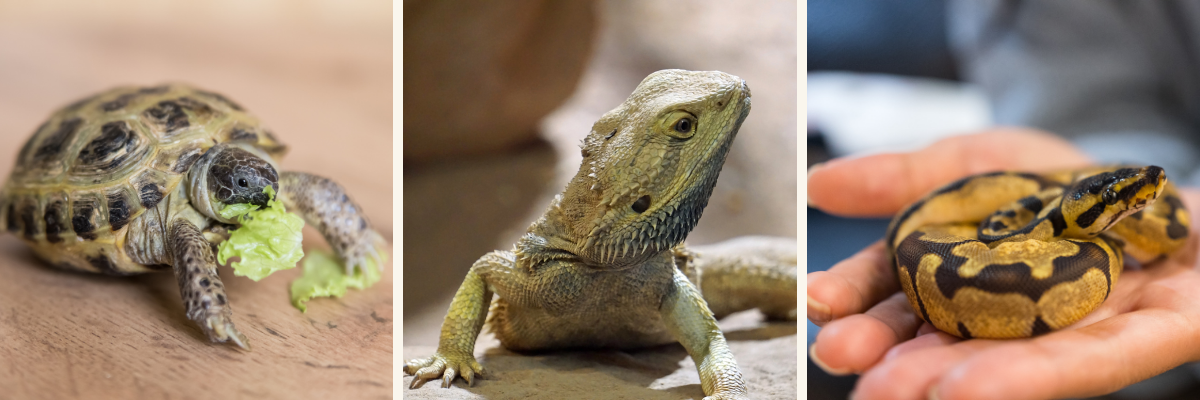
Reptiles are completely dependent on their environment to regulate their health. Small adjustments to diet, lighting, or habitat can make a significant difference in your pet’s comfort and long-term health.
1. Temperature is everything
Reptiles cannot regulate their own body temperature.
Each species requires:
- A basking area (warm side)
- A cool side
If temperatures are off, it can affect digestion, immunity, and overall health.
2. UVB lighting is critical
Many reptiles need UVB light to properly absorb calcium.
Without it, they can develop metabolic bone disease, which can lead to:
- Weak bones
- Deformities
- Difficulty moving
3. Humidity matters more than you think
Improper humidity can lead to:
- Shedding problems
- Respiratory infections
- Skin issues
Common Health Issues We See
Because their needs are so specific, small imbalances can quickly lead to health problems.
Pocket Pets
- Dental disease
- Digestive issues
- Respiratory infections
Reptiles
- Metabolic bone disease
- Parasites
- Appetite loss
- Shedding complications
Why Preventative Care Is So Important
Unlike dogs and cats, these pets often don’t show obvious signs of illness until later stages.
Regular checkups help:
- Catch issues early
- Review diet and habitat setup
- Prevent common (and costly) problems
Even a quick exam can make a big difference in your pet’s long-term health.
Now Offering Care for Pocket Pets & Reptiles
If you have a small mammal or reptile at home — or are thinking about getting one — our team is here to help.
📞 Call Newport Veterinary Hospital to schedule an appointment or ask questions about your pet’s care.



Leave A Comment