

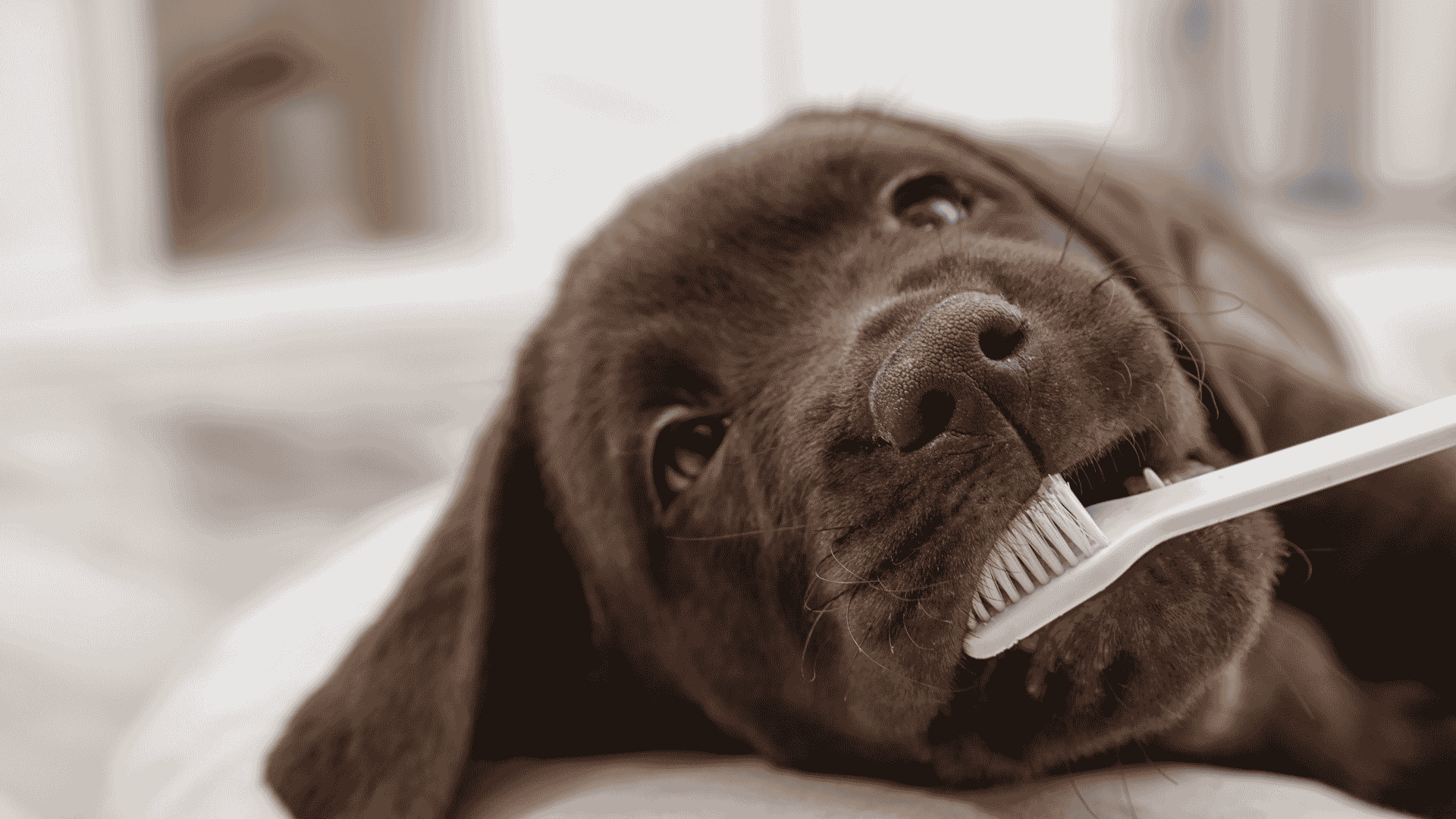
When it comes to your pet’s dental health, there’s no shortage of advice. Friends, family, social media—even the pet food aisle—are full of tips on keeping your dog or cat’s teeth healthy.
But not everything you’ve heard is true.
Some of the most common beliefs about pet dental care can actually make it easier for dental disease to go unnoticed, leaving pets in pain without obvious signs.
Let’s separate fact from fiction.
Myth #1: “Bad breath is just part of having a dog or cat.”
❌ Fiction
Sure, your pet’s breath may not smell minty fresh, but persistently bad breath isn’t something to ignore.
A strong odor is often one of the earliest signs of plaque buildup, gum disease, or infection. If your pet’s breath suddenly seems much worse than usual—or has smelled bad for a while—it’s worth scheduling a dental exam.
Myth #2: “If my pet is eating normally, their mouth doesn’t hurt.”
❌ Fiction
Dogs and cats are remarkably good at hiding pain.
Many pets continue eating, playing, and acting normally even when they have painful teeth or infected gums. They often adapt by chewing on one side of their mouth or swallowing food without chewing much at all.
That’s why regular dental exams are so important—they help us find problems before your pet starts showing obvious signs.
Myth #3: “Dry kibble keeps my pet’s teeth clean.”
❌ Fiction
Crunchy kibble may remove a small amount of plaque from certain teeth, but it isn’t enough to prevent dental disease.
Think about it this way: if eating crunchy food kept our teeth clean, none of us would need to brush!
Routine dental care, including professional cleanings when recommended, is still the best way to keep your pet’s mouth healthy.
Myth #4: “Only older pets need dental care.”
❌ Fiction
Dental disease starts much earlier than most people expect.
In fact, by age three, most dogs and cats already have some degree of periodontal disease.
Catching problems early often means simpler treatment and a more comfortable pet.
Myth #5: “If my pet’s teeth look white, they’re healthy.”
❌ Fiction
Healthy-looking teeth don’t always tell the whole story.
Much of dental disease develops below the gumline, where it isn’t visible during a quick look at home. During a professional dental procedure, your veterinarian can evaluate the entire mouth and use dental X-rays when needed to identify problems hidden beneath the surface.
Myth #6: “Dental chews replace brushing.”
❌ Fiction
Dental chews can be a helpful addition to your pet’s routine, but they aren’t a substitute for brushing or professional dental care.
The healthiest mouths are usually the result of a combination of home care, regular veterinary exams, and professional cleanings when they’re needed.
Myth #7: “If my pet needs a tooth removed, it’s better to leave it alone.”
❌ Fiction
It may seem surprising, but removing a severely damaged or infected tooth often relieves pain rather than causes it.
Diseased teeth don’t heal on their own. Left untreated, they can continue causing discomfort and allow infection to spread.
Many pet owners tell us they’re amazed by how much happier, more energetic, and more comfortable their pet seems after recovering from a dental procedure.
The Bottom Line
Dental disease is one of the most common health conditions we see in dogs and cats—but it’s also one of the most treatable.
The key is catching it early.
Whether your pet is showing signs like bad breath or visible tartar, or it’s simply been a while since their last dental evaluation, a dental exam can help us determine the best plan for keeping them healthy and comfortable.
August Dental Savings 🦷
Throughout August, we’re offering discounted dental extractions and discounted pre-anesthetic bloodwork to help make advanced dental care more affordable.
If your pet needs dental treatment, our team will walk you through every step and recommend the care that’s right for them.
Give us a call to schedule a dental exam—we’d love to help keep your pet smiling.




Leave A Comment